

A quiet migration is reshaping mountain valley communities across the American West. Families with school-age children, once considered unlikely candidates for mountain relocation, are increasingly choosing scenic valleys as their permanent homes. This demographic shift reflects evolving priorities, expanded possibilities, and growing recognition that childhood shaped by mountain landscapes produces benefits no suburban subdivision can match.
Childhood Reimagined
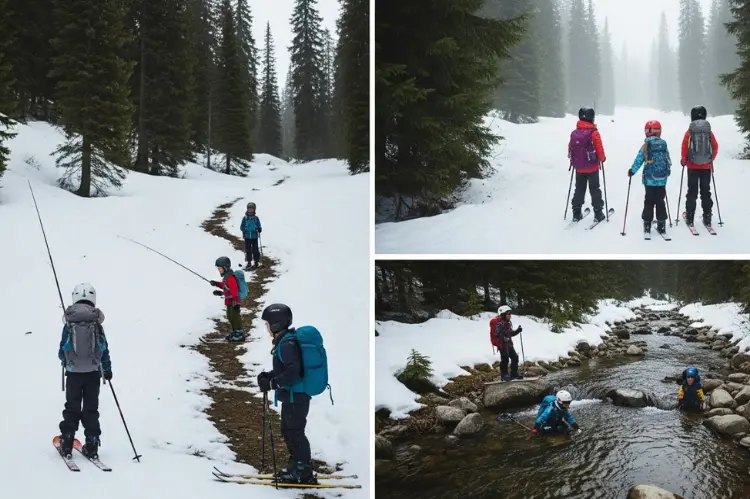
Parents driving this migration often describe a vision of childhood that differs fundamentally from their own experiences. They want children who know the names of local wildlife, who understand seasonal rhythms through direct observation, and who develop physical confidence through outdoor challenge rather than organized sports alone.
Mountain valleys deliver this vision naturally. Children grow up with hiking trails as their playgrounds, fishing streams as their summer destinations, and ski slopes as their winter classrooms. The unstructured outdoor time that child development research increasingly validates becomes default rather than exception. Parents find they need to limit screen time less when genuine alternatives exist immediately outside the door.
Educational Quality Surprises

Relocating families often discover that mountain valley schools exceed expectations. Smaller class sizes allow individualized attention that overcrowded suburban districts cannot provide. Outdoor education programs leverage natural surroundings for experiential learning. Teacher retention in desirable mountain communities often surpasses urban and suburban rates.
Beyond academics, mountain valley schools typically offer something harder to quantify: cultures of genuine community involvement. Parents know teachers personally. Administrators remain accessible. The disconnect between family and school that characterizes many larger districts rarely develops when communities maintain human scale.
Economic Recalculation

The economic equation for mountain valley living has shifted dramatically. Remote work enables professionals to maintain metropolitan salaries while enjoying mountain valley costs of living. The equity from selling homes in expensive coastal markets translates into significantly larger properties in mountain communities, often with cash remaining for investment or lifestyle enhancement.
Families researching Heber City homes for sale and similar mountain valley markets frequently discover purchasing power they didn’t expect. The dream home that seemed perpetually out of reach in their current markets becomes attainable when geography no longer constrains employment.
Safety and Community Scale
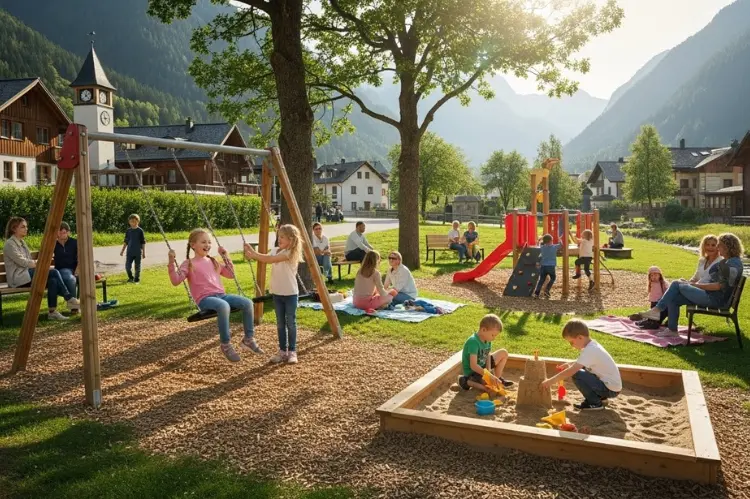
Mountain valleys offer security dimensions that statistics alone don’t capture. Low crime rates provide baseline reassurance, but the deeper safety comes from community scale itself. Children grow up known by neighbors, shopkeepers, and community members who provide informal supervision networks that anonymous suburbs lack.
This visibility cuts both ways—teenagers find fewer opportunities for undetected mischief—but most parents consider this transparency beneficial. The community accountability that mountain valley scale creates supports child-rearing in ways that privatized suburban living cannot replicate.
Health Advantages Compound

The health benefits of mountain valley living accumulate across childhood years. Active lifestyles become habitual rather than imposed. Air quality typically exceeds urban standards significantly. Access to outdoor recreation supports physical development and emotional regulation alike.
Parents also report their own health improving alongside their children’s. The family culture shifts toward outdoor activity, shared adventures, and physical engagement that busy suburban schedules often preclude. Health becomes family project rather than individual struggle.
Connection to Place
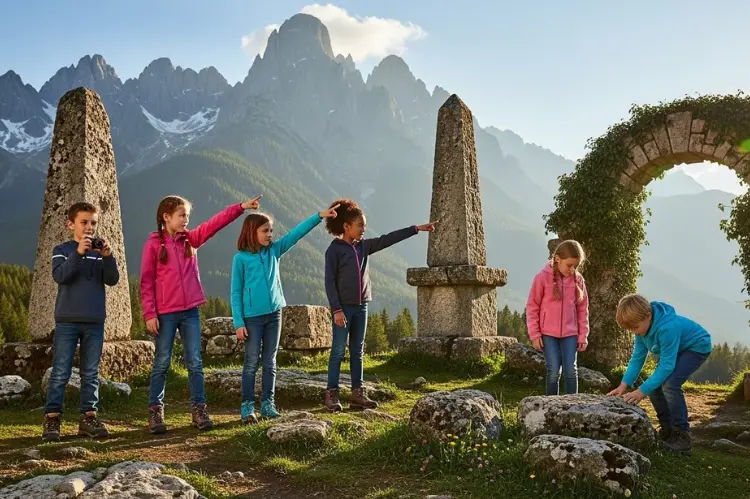
Perhaps most valuably, mountain valley childhoods develop genuine connection to place. Children grow up understanding their home landscapes intimately—the trails, the peaks, the seasonal patterns, the community characters. This rootedness provides identity foundation that transient suburban experiences often fail to establish.
Families who make this choice frequently describe it as giving children something they themselves lacked: a true hometown, a landscape that shaped them, a community that knew them through all the stages of growing up.
The Decision Point
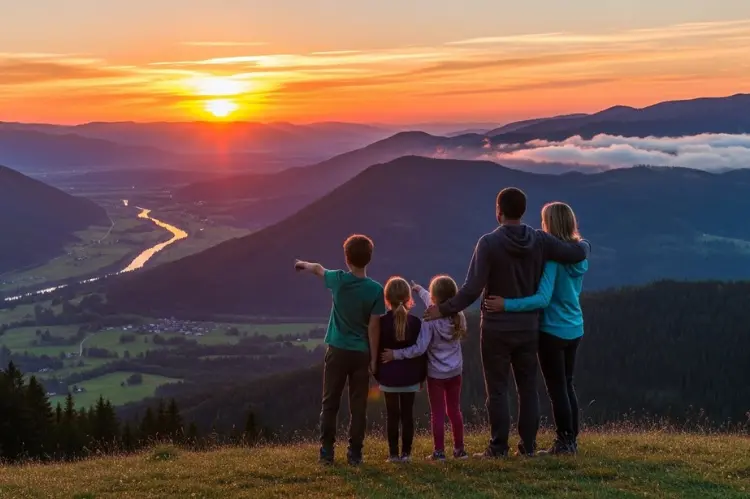
For families contemplating mountain valley relocation, the question ultimately becomes whether the benefits justify the disruption. Those who make the move consistently report that adjustment challenges fade while lifestyle advantages persist and compound.
The children raised in these valleys will carry their formative experiences forward, shaped by landscapes rather than strip malls, by community rather than anonymity, by adventure rather than routine. For growing numbers of families, that shaping represents exactly what they want childhood to provide.
Read Next: 5 Creative Retaining Wall Designs for Your Backyard Makeover